- Your cart is empty
- Continue Shopping


Biphentin vs Concerta: Key Differences
- Blog, HEALTH TIPS, NEWS
- Posted on
-
by Admin
- 5 comments
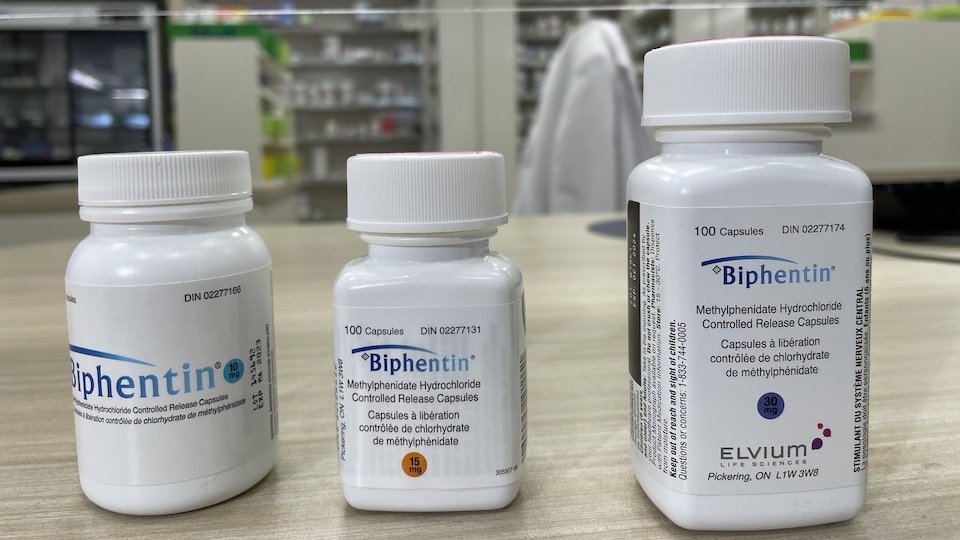
Biphentin vs Concerta: Key Differences, Duration & Which One Might Suit You
Looking at Biphentin vs Concerta, if you or someone you know is managing ADHD, choosing the right long-acting stimulant can make a big difference. Two popular options are Biphentin® and Concerta®. Both use the active ingredient methylphenidate, but their delivery systems, effects, and how they feel throughout the day differ. In this guide, we break down the differences — in simple terms — to help you make an informed choice.
What Is Biphentin?
Biphentin® is a long-acting methylphenidate capsule. According to its prescribing information, it has a “biphasic” release: about 40 % of the dose is released quickly, and the remaining 60 % is released more slowly.
This biphasic system gives an initial boost to help you focus early, then a sustained release to keep you going through the middle of the day. Clinical data suggests its effect lasts around 8–10 hours for most people, though some sources mention up to 12 hours under ideal conditions.
What Is Concerta?
Concerta® is also methylphenidate, but it uses a different delivery method called OROS® (osmotic-controlled release oral system). With this technology, about 22% of the dose is released immediately, and the remaining 78% is pushed out slowly over time.
Because of this design, Concerta is intended to provide a steady effect that can last up to 12 hours, offering all-day symptom coverage.
Release Profile & Duration: How They Compare
The biggest difference between these two drugs lies in how they release the medication:
- Biphentin: Two “pulses” — a fast initial release followed by a slower release.
- Concerta: A consistent, controlled release using osmosis — less “spike,” more smooth delivery.
In practice, Biphentin may feel more like an “on then fade” over its 8-10 hour window, while Concerta’s release tends to be more even, which some users prefer for stability.
Effectiveness & Clinical Evidence
Several pharmacokinetic studies have looked at how these two drugs compare. According to one review, while their overall exposure to methylphenidate is comparable (measured as AUC), their peak concentrations and timing differ.
Importantly for many patients, Biphentin may reach a higher peak earlier, which could make the “morning effect” stronger. Meanwhile, Concerta’s slower, more consistent release may help maintain attention later into the afternoon.
Side Effects & Tolerability
Because both are stimulants, they share common side effects: reduced appetite, sleep difficulties, jitteriness, and potentially increased heart rate. Some differences might emerge due to how they release the medication:
- With Biphentin, the faster first release could lead to a sharper onset, which might feel more “energising” but could also cause a bigger drop later.
- With Concerta, the gradual release may feel smoother but can sometimes cause a more subtle taper or “wear-off” at the end of the day.
User-reported experiences reflect this. For example, some on Reddit note that Biphentin feels more “natural” and doesn’t produce as hard a crash as Concerta.
Which One Might Be Better for You?
The “right” choice depends on your daily pattern, preferences, and how your body responds. Here are some general considerations:
- Prefer a stronger morning effect? Biphentin might be better.
- Need steady coverage all day, especially into the late afternoon? Concerta may suit you more.
- If you’ve had sleep problems or a crash with one, your doctor might recommend trying the other.
Special Considerations
Here are a few specific points worth discussing with your doctor:
- Opening Capsules: Biphentin capsules can sometimes be opened and sprinkled on soft food (like yogurt), which may help if swallowing is difficult.
- Abuse potential: Long-acting stimulants still carry risk if misused – always follow your prescription and don’t adjust doses without consulting your prescriber.
- Drug interactions: Ensure your clinician knows all medications and supplements you take, especially other stimulants or drugs affecting the heart.
How This Affects Medication Choice
Choosing between Biphentin vs Concerta is often about personal fit — how you feel during the day, how your symptoms shift, and how side effects affect you. It’s not a “one size fits all” decision.
Risks & Caution
Both medications are prescription-only, controlled substances. You must only use them under medical supervision. They are not “cure-alls” — they help manage symptoms, but lifestyle, therapy, and daily routines also matter a lot.
If you’re exploring medication options, always speak openly with your prescriber about how long you need coverage, whether you struggle in the afternoon, and how side effects are impacting you.
Unrelated / Legal Note
Note: This comparison is purely educational and for informational purposes only. It is not medical advice. If you’re getting treatment for ADHD — or any other condition — follow the guidance of a qualified healthcare professional.
Want to explore more on ADHD or related prescription options?
- Learn about Concerta (Dexedrine Canada)
- Explore other stimulant options
- Visit Tapentadol Online Store
Final Thoughts
In summary, both Biphentin vs Concerta are trusted long-acting treatments for ADHD, and choosing between them largely comes down to how you respond to their release profiles. Talk with your doctor, share your daily rhythm, and together you can pick the one that best supports your focus, energy, and well-being.

5 Comments