- Your cart is empty
- Continue Shopping


Is Biphentin a Stimulant? ADHD Treatment Insights
- Blog
- Posted on
-
by Admin
- 0 comments
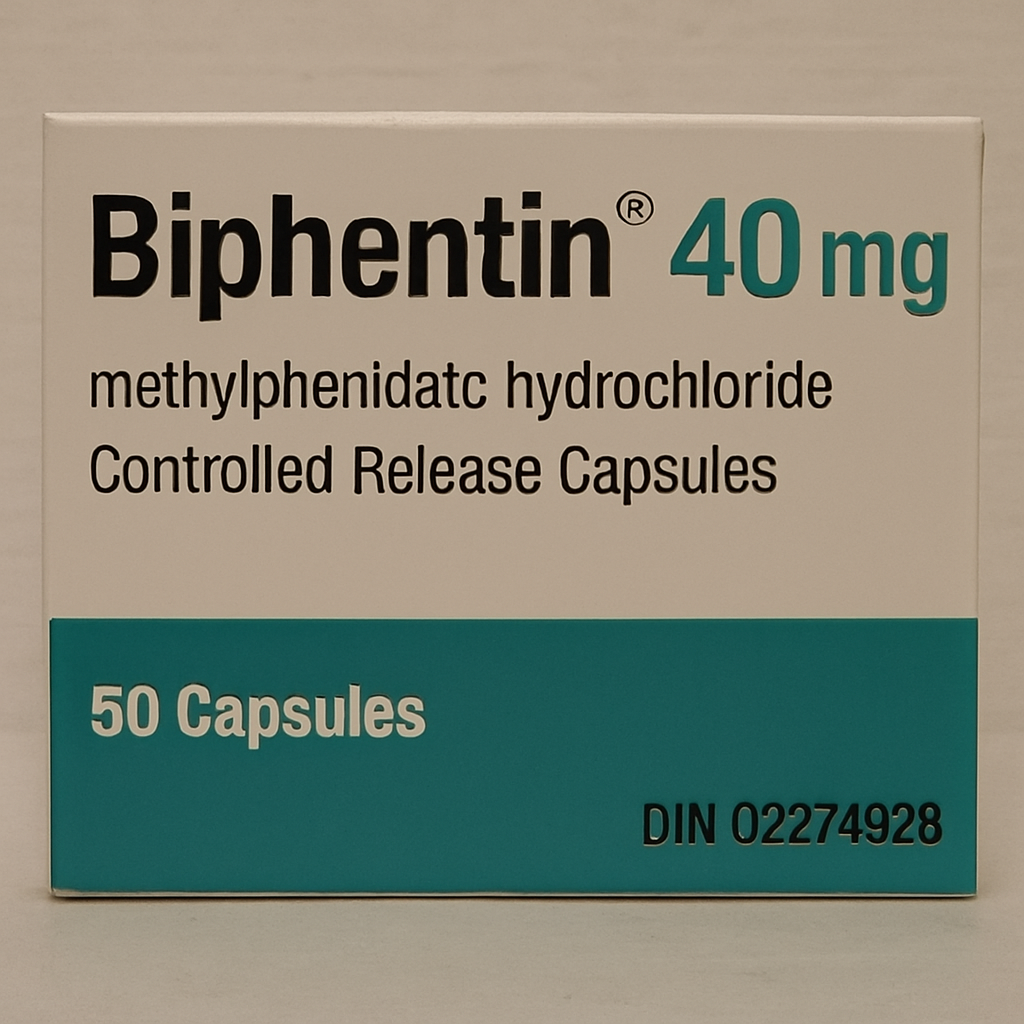
Understanding Biphentin: A Stimulant Overview
When it comes to managing Attention Deficit Hyperactivity Disorder (ADHD), medications like Biphentin play a crucial role. But what exactly is Biphentin, and how does it function in the world of ADHD treatment? In this comprehensive guide, we’ll delve into everything you need to know about Biphentin, from its dosing guidelines to its relationship with other stimulants like Ritalin.
Biphentin is a stimulant medication used primarily to treat ADHD. It belongs to a class of drugs known as central nervous system (CNS) stimulants. The active ingredient in Biphentin is methylphenidate, which is the same active component found in Ritalin. This medication works by affecting chemicals in the brain and nerves that contribute to hyperactivity and impulse control.
Is Biphentin a Stimulant?
Yes, Biphentin is indeed a stimulant. As a CNS stimulant, it increases the levels of certain neurotransmitters in the brain, which helps improve attention and focus while reducing impulsive behavior and hyperactivity in individuals with ADHD.
Dosage and Administration
Understanding the correct dosage of Biphentin is essential for its effectiveness and safety. The dosage can vary based on several factors, including age, weight, and the severity of the condition.
Biphentin Dosing for Adults
For adults, the initial Biphentin dose usually starts at a lower range and may be adjusted by the healthcare provider based on the individual’s response to the medication. The typical starting dose is often around 10 mg to 20 mg per day, which can be gradually increased.
Biphentin Dosage Chart by Weight
While specific dosing charts can vary, a common approach is to determine the dosage based on the patient’s weight. A healthcare provider will typically provide a dosage chart to guide the appropriate starting dose and any necessary adjustments.
Biphentin Max Dose
The maximum dose of Biphentin will depend on individual tolerance and response. However, it is crucial to follow the healthcare provider’s recommendations and not exceed the prescribed amount, as higher doses increase the risk of side effects.
Biphentin vs. Ritalin
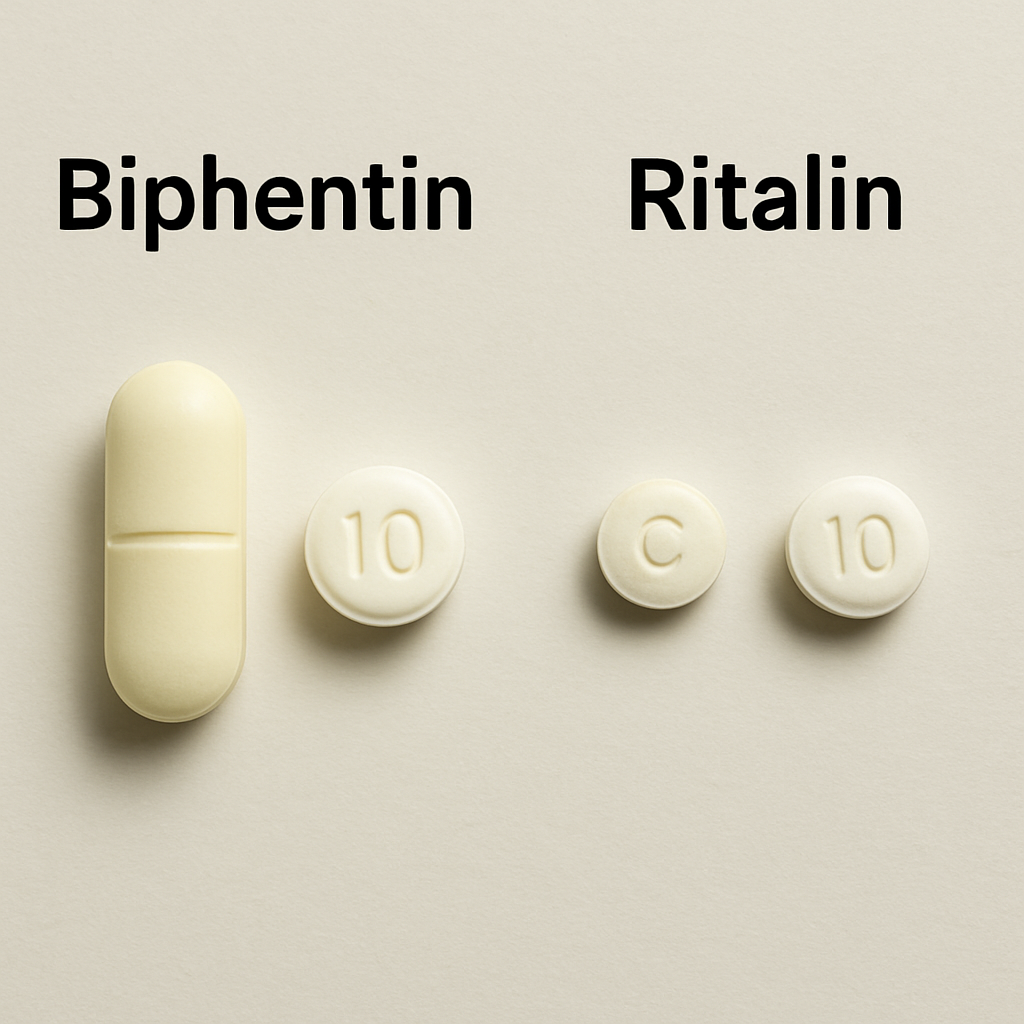
Biphentin and Ritalin are both stimulant medications used to treat ADHD, and they share the same active ingredient—methylphenidate. However, there are differences in their formulations and how they release the medication into the body.
Is Biphentin the Same as Ritalin?
While both medications contain methylphenidate, they are not the same. Biphentin is designed as a once-daily medication with a unique delivery system that provides a controlled release of the drug throughout the day. Ritalin, on the other hand, may require multiple doses throughout the day depending on the formulation (immediate-release or extended-release).
ADHD and Ritalin
Ritalin has been a long-standing treatment option for ADHD and has a well-established track record. The choice between Ritalin and Biphentin depends on various factors, including the patient’s lifestyle, the need for consistent symptom control throughout the day, and how the individual metabolizes the medication.
How Long Does Biphentin Last?
One of the advantages of Biphentin is its extended-release formulation, which allows for once-daily dosing. Biphentin is designed to last for about 10 to 12 hours, providing consistent symptom control throughout the day. This can be particularly beneficial for individuals who require medication coverage during school or work hours.
Biphentin and ADHD
Biphentin is primarily used to treat ADHD in both children and adults. By improving attention, focus, and impulse control, it can significantly enhance daily functioning and quality of life for those with ADHD.
ADHD Medication: Biphentin
For individuals diagnosed with ADHD, Biphentin can be a valuable part of their treatment plan. It is important to note that medication is just one component of a comprehensive ADHD management strategy, which may also include behavioral therapy and lifestyle adjustments.
Safety and Side Effects

As with any medication, Biphentin can have side effects. Common side effects may include:
· Insomnia · Loss of appetite · Weight loss · Increased heart rate · Nervousness or anxiety
Biphentin Generic Name
The generic name for Biphentin is methylphenidate hydrochloride. While some patients may have access to generic versions, it’s essential to consult with a healthcare provider to determine the best option.
Monitoring and Adjustments
Regular monitoring by a healthcare provider is crucial while taking Biphentin. They will assess the medication’s effectiveness and any side effects experienced. Dosage adjustments may be necessary to achieve optimal results and minimize side effects.
Is Ritalin a Stimulant?
Yes, Ritalin is also a stimulant medication. Like Biphentin, it belongs to the class of CNS stimulants and works to improve attention and impulse control in individuals with ADHD.
Conclusion
Understanding Biphentin and its role in ADHD treatment is essential for anyone considering this medication. With its extended-release formulation, Biphentin offers the convenience of once-daily dosing, making it a practical option for many individuals. However, as with any medication, it’s vital to work closely with a healthcare provider to ensure safe and effective use.
Whether you’re exploring Biphentin for the first time or seeking to understand its differences from other ADHD medications like Ritalin, this guide provides a comprehensive overview of what to expect. Always consult with a healthcare professional to determine the best treatment plan tailored to your needs.
